Welcome European Hemp Growers!

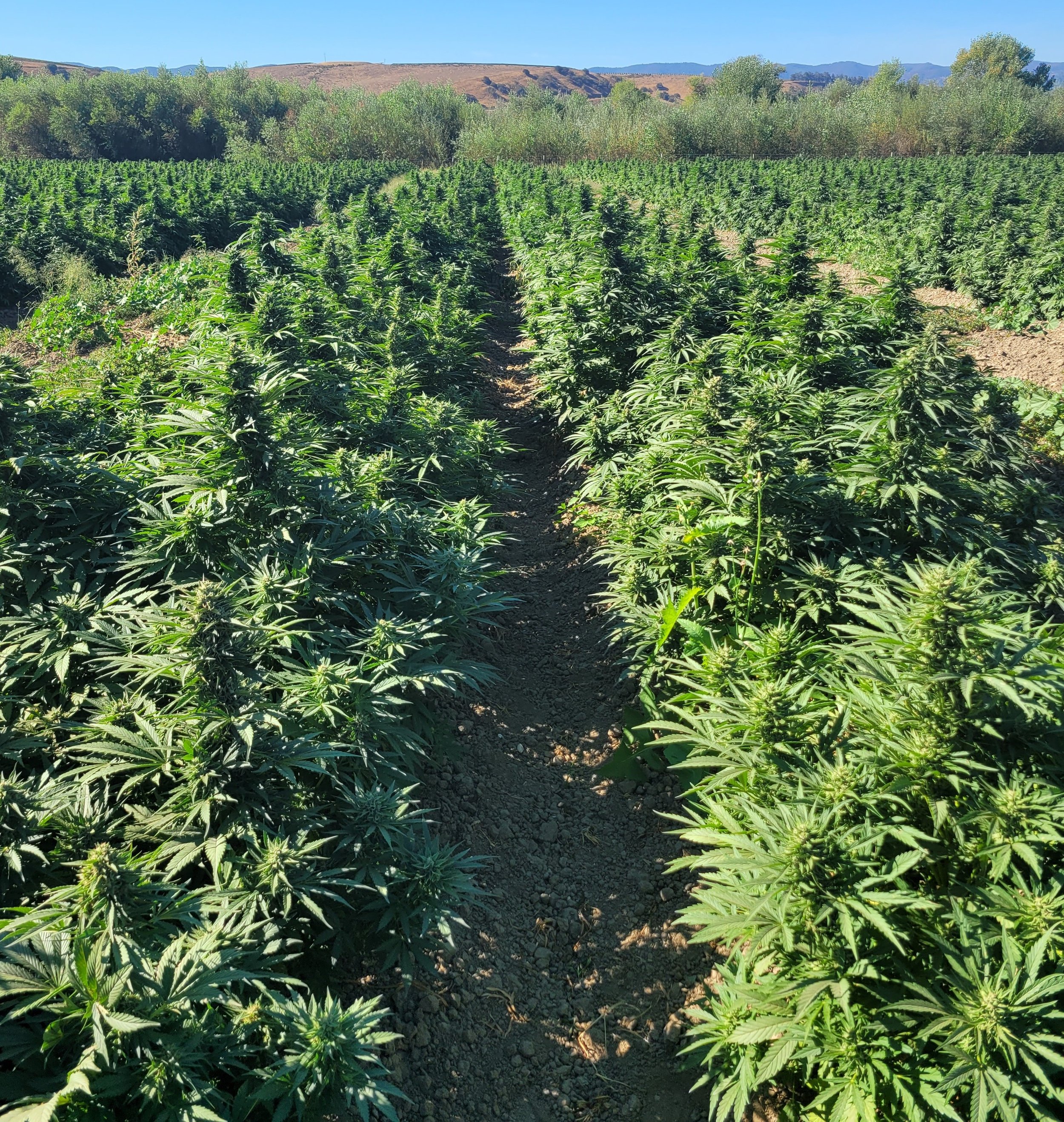
Feminized Lemon G flowering
1) Europe’s New Green Deal & hemp history

Hemp has been a functional crop in Europe for centuries—nutritious flowers, leaves, and seeds appeared in medieval recipes, and hemp/flax fibers became some of the earliest textiles.

Cultivation slowed after the 1961 UN Single Convention on Narcotic Drugs. The 1971 Convention on Psychotropic Substances later distinguished THC from CBD, and the 1972 Protocol enabled industrial uses of non-psychotropic substances.

From 1976–1999, EU growers could plant seed at 0.3% THC. In 2000 the cap fell to 0.2%, limiting varieties without proven impact on illicit grows. In Oct 2020, the European Parliament voted to restore the 0.3% cap within the CAP, enforced as of January 1, 2023.

2) EU frameworks touching CBD/hemp
  • Medicinal products: Directive 2001/83/EC
  • Foods: Regulation (EC) No 178/2002
  • Food supplements: Directive 2002/46/EC
  • Novel foods: Regulation (EU) 2015/2283
  • Cosmetics: Regulation (EC) No 1223/2009
  • Tobacco products: Directive 2014/40/EU
  • Nutrition & health claims: Regulation (EC) No 1924/2006

EU law sets common frameworks, but member states choose how to adopt; most have some form of CBD acceptance.

3) Country status snapshots (selection)
Austria — Grey area: 0.2% THC
Belgium — Grey area: 0.2% THC
Bulgaria — Unrestricted
Czech Republic — Unrestricted
Denmark — Unrestricted
Estonia — Grey area: 0.2% THC
France — Unrestricted
Germany — Unrestricted
Greece — Unrestricted
Italy — Grey area: 0.2% THC
Luxembourg — Unrestricted
Netherlands — Unrestricted
Norway — Medical use
Poland — Unrestricted
Portugal — Medical use
Romania — Unrestricted
Spain — Unrestricted
Sweden — Unrestricted
Switzerland — Unrestricted, 1% THC limit
Ukraine — Unrestricted
4) Acreage & yields; top EU growers
  • 2015: 20,000 ha planted; 35,000 t yield
  • 2019: 35,000 ha planted; 153,000 t yield

≈75% increase in acreage and ≈63% increase in yield. France, Italy, and the Netherlands account for over half of EU industrial hemp, with France leading.

Top 10 (hectares)
  1. France — 17,900
  2. Italy — 4,000
  3. Netherlands — 3,833
  4. Estonia — 3,538
  5. Romania — 3,400
  6. Germany — 3,114
  7. Poland — 1,708
  8. Austria — 1,583
  9. Ukraine — 1,500
  10. Lithuania — 1,470
5) Market size snapshots

France (2020 CBD market): ≈€131M — Oils ~€74M; Supplements ~€41M; Vapes ~€21M.

Europe overall: ≈€1.7B (2020) with projections up to ≈€8.3B by 2025.

6) Sustainability & circular uses

Hemp supports biomaterials, cosmetics, food, and supplements. Via photosynthesis it can sequester about 1.6 t CO₂ per ton of hemp; with typical yields of 5.5–8 t/ha, that’s roughly 9–13 t CO₂/ha.

Water use: Cotton ~9,700 kg/kg vs Hemp ~2,400–3,400 kg/kg (≈75% less).

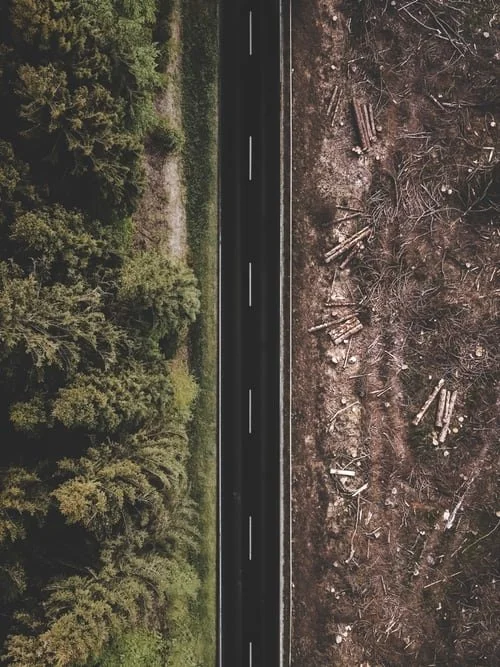
Pulp & paper: Hemp contains 65–70% cellulose (vs ~40% for wood), grows in ~5 months, can yield ~4× more pulp per hectare, and can be recycled 7–8× (vs 3–5× for wood).

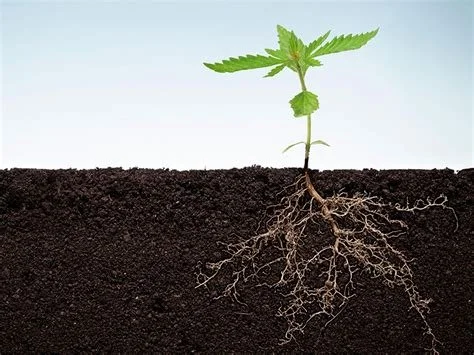
Soil health: Fast growth, leaf drop, and deep roots help stabilize erosion, add nutrients, and phytoremediate heavy metals.

7) What we provide (60+ years combined expertise)
  • Premium high-CBD, feminized genetics with outstanding terpene profiles, compliant COAs, world-class ratios, 99% viability & 99.9% feminization.
  • Discreet, fast, secure international shipping ($85–$125, free > $5,000).
  • Official Department of Agriculture phytosanitary certificates ($285 fee).
  • Exceptional customer service with timely responses and quick turnarounds.
  • Free, limited consultations with Master Growers on orders over 1,000 seeds.
Rooted hemp sprout
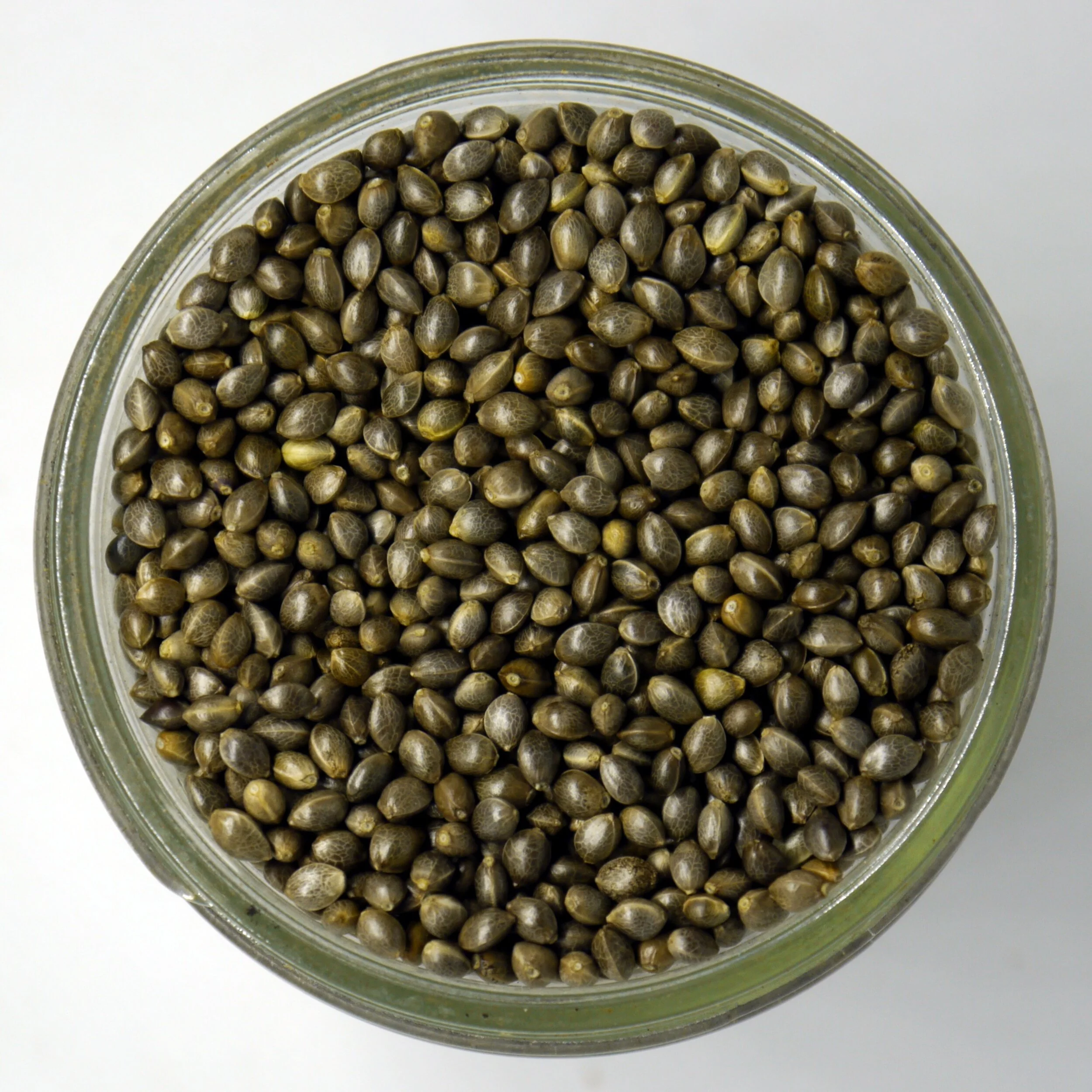
Feminized Cherry Blossom seeds
Deforestation and land use
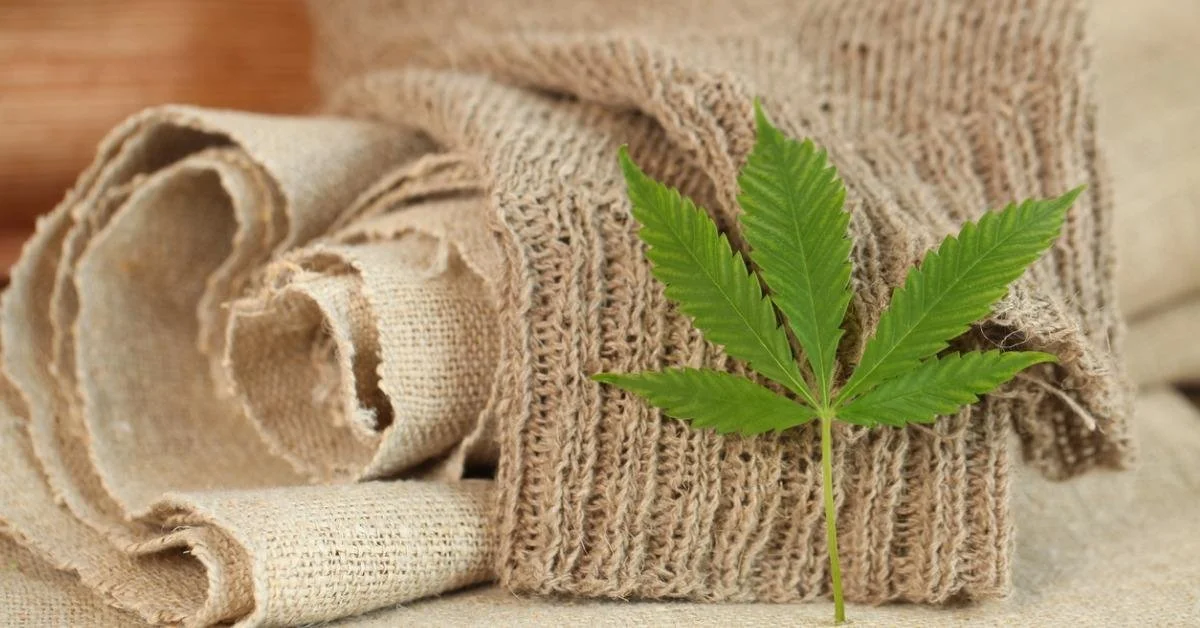
Hemp textile fibers