Welcome Australian Hemp Growers!
1) Australia’s historical foundations and hemp
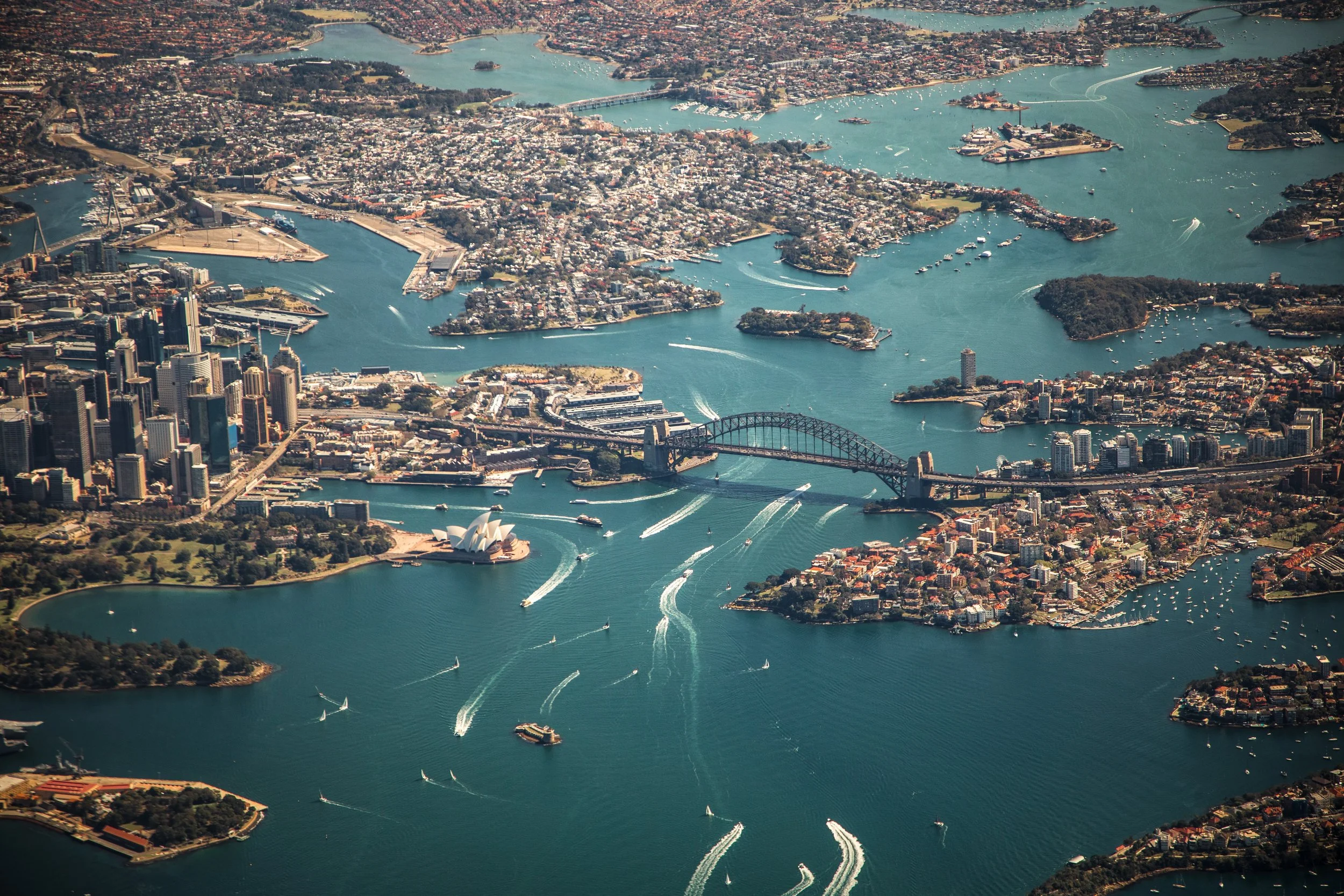
Australia’s historical foundations can be traced back to 1788, when the British sought to establish a penal colony in New South Wales. However, recent documentation may suggest that Australia was strategically devised to be a hemp colony.
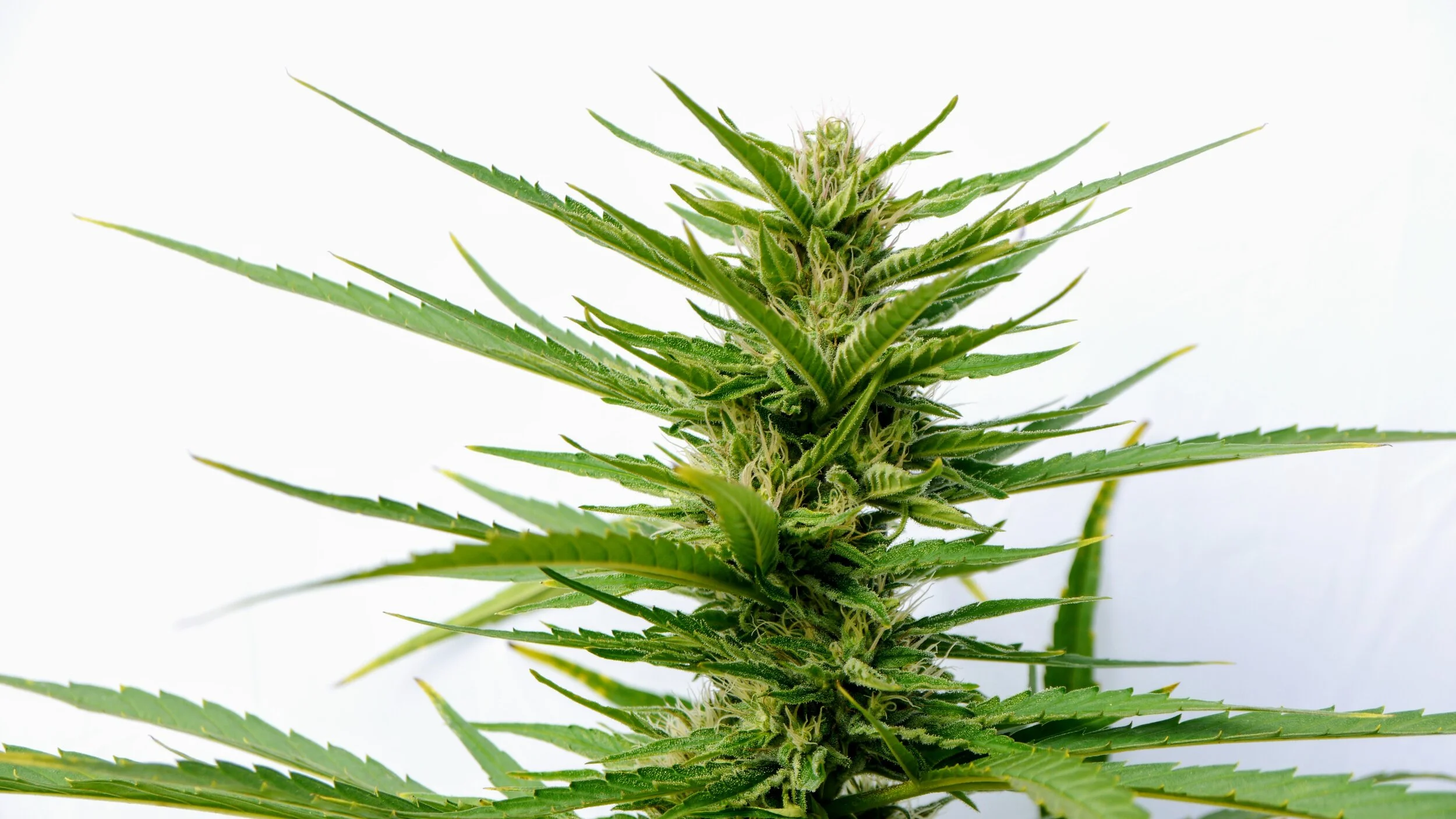
During the colonial era, hemp was an extremely valuable commodity, used in the creation of textiles, food, and medicine. Moreover, hemp fibers were essential in the formation of nautical sails and rope, which contributed to the overall strength of the British Naval Fleet.
2) The role of Cannabis Indica vs Cannabis Sativa
In order to meet demands, Britain expanded its horizons and created a colony in New South Wales for the purpose of producing hemp. However, the seeds used by the British happened to be Cannabis Indica and not the fibrous Cannabis Sativa so attempts to produce quality textiles were eventually abandoned.
3) Hemp prohibition and legalization timeline
Hemp served as a commercially viable crop for decades until the U.S along with Australia, adopted the Marijuana Tax Act of 1937, which prohibited the possession, cultivation, and manufacturing of any cannabis related substance.
Hemp’s prohibition lasted until 1998, when the Australian government finally allowed Victoria the permission to grow and manufacture hemp for only export purposes. Victoria now allows hemp to be distributed in the domestic market and classifies industrial hemp to be less than .35% THC.
Also, in 1998, Queensland revised the Drugs Misuse Act 1986 and Drugs Misuse Regulation 1987, to allow the cultivation of industrial hemp. The state defines that commercialized hemp must not exceed 1% THC, and to be grown from seed certified to be less than .5% THC.